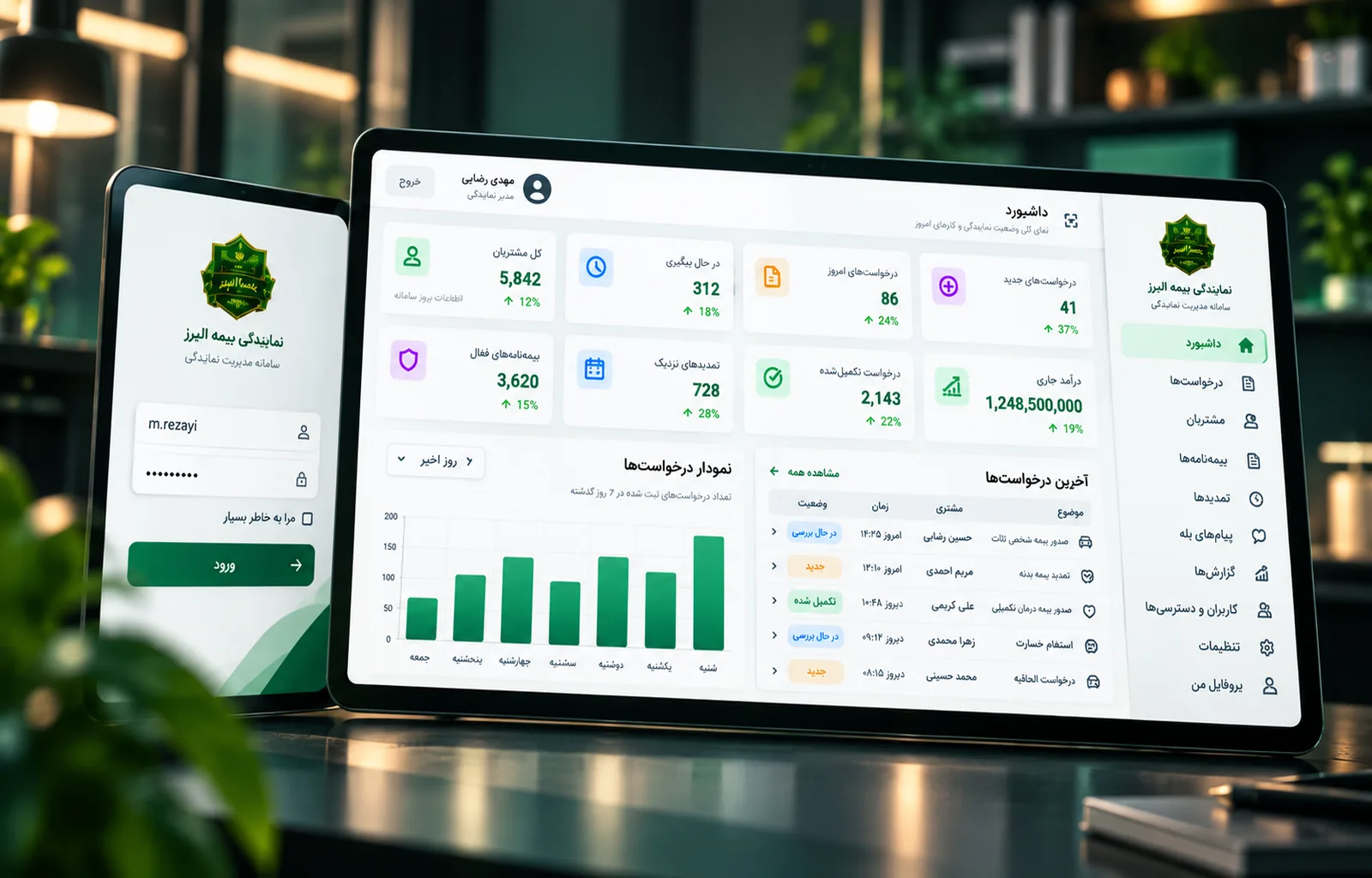

A strong digital product usually begins long before the first screen is designed.
From the outside, a project may look simple: a few pages, several forms, a dashboard, or a set of features. But behind a product that actually works, there is usually a sequence of decisions, research, prioritization, design, development, and continuous refinement.
A professional digital project is not simply the result of good code or attractive design.
It becomes valuable when it solves the right problem, feels clear to the user, supports the goals of the business, and is technically capable of growing over time.
That is why the real process starts with understanding the problem, not choosing colors, fonts, or technologies.
A Digital Project Does Not Start With Design
One of the most common mistakes is jumping directly into interface design.
Before deciding what a page should look like, we need to understand why that page exists in the first place.
First, understand the problem
Every digital product is supposed to solve a problem.
Sometimes the problem is simple: placing an order quickly, finding a service, managing information, or communicating more easily with a company.
Sometimes it is more complex and involves several types of users, workflows, goals, and technical constraints.
If the problem is not clearly defined, there is a real risk of building something that looks good but does not solve the actual need.
The goal of the project should be clear
Before design begins, the desired outcome should be defined.
Is the goal to increase sales?
Should the product simplify a process?
Is it supposed to build trust, deliver information, or manage part of the business operation?
The clearer the goal, the better the decisions that follow.
Discovery: Know What You Are Building Before You Build It
Discovery is the stage where the team gathers information and develops a clearer understanding of the project.
A lot of questions may be asked during this phase, but the purpose is simple: reduce assumptions and make better decisions.

Understand the user
Who is the user?
What matters to them?
In what context will they use the product?
What could confuse them or make them abandon the process?
Understanding a user is not just about age, location, or demographics. What matters more is understanding behavior, needs, expectations, and motivation.
Understand the business
A digital product must also create value for the business.
That means understanding:
- What is the main business objective?
- Which services or features have the highest priority?
- How will success be measured?
- What technical, financial, or time constraints exist?
When user needs and business goals are considered together, the project becomes much easier to define.
Structure and Experience Come Before Appearance
Once the problem and goals are clear, it is still too early to focus on colors and visual styling.
First, the structure of the product needs to be defined.
Information architecture
Users need to know where information lives and how to reach it.
On a website, this may include navigation, page hierarchy, relationships between sections, and content order.
In an application, it can include major areas, flows, categories, and feature priorities.
A strong structure makes a product feel simple, even when the system behind it is complex.
User flow
Where does the user enter?
What do they do next?
How many steps are required to complete an important task?
If the journey is too long or unclear, even an attractive interface cannot fully hide the problem.
This is where key user flows are usually defined so that the logic of the experience is clear before visual design begins.
Interface Design: When Appearance Starts to Make Sense
Now visual design can begin, but this time it is built on a clear foundation.
Colors, typography, images, spacing, and components are no longer isolated choices. They support the structure and purpose of the product.
Design system
One of the clearest differences between a professional project and a collection of disconnected screens is the presence of a coherent system.
Buttons, form fields, cards, headings, colors, and spacing should follow shared rules.
A design system helps keep the experience consistent across different areas of the product and makes future expansion easier.
Prototype
Before full development, it is useful to test important parts of the product as a prototype.
A prototype can reveal issues in navigation, interaction, and structure before more time is invested.
Fixing a problem at this stage is usually far easier than correcting the same issue after it has already entered the codebase.

Development: Turning Design Into a Real Product
Design is still only a representation of the final product.
During development, that representation has to become something that actually works.
Front end and back end
The front end is what users interact with directly: pages, forms, buttons, transitions, and interface behavior.
The back end handles the logic behind the product: data, authentication, processing, integrations, and many functions the user never directly sees.
These two parts need to work together.
A beautiful interface without reliable infrastructure does not create a strong product.
Performance, security, and scalability
Development is not simply about making a feature work.
The product should be fast, manage errors well, handle data securely, and be prepared for future growth where necessary.
Technical decisions made early in the project can have consequences months or years later.
That is why the technical architecture should reflect the real needs of the project, not simply the newest technology available.
Testing and Refinement
Almost no product is perfect in its first version.
Testing is a natural part of product development, not something that should only happen at the very end.
Test across devices and real conditions
A website or application should be checked across different screen sizes, browsers, and scenarios.
An interface may work perfectly on desktop but create problems on mobile.
A form may work in ideal conditions but provide a poor experience when something goes wrong.
Real testing exposes these issues.
Feedback and iteration
Some problems only become visible when someone outside the project team uses the product.
User feedback can reveal which parts are unclear, which paths are too long, and where actual behavior differs from the team's assumptions.
Good products are rarely the result of one perfect decision.
They are usually the result of many small, continuous improvements.
Launch Is Not the End
Publishing the product is an important milestone, but it is not the end of the process.
In many ways, launch is the moment when real information about user behavior finally becomes available.

Analyze what happens after launch
Teams should look at how users enter the product, where they spend time, and where they leave the journey.
On a website, this may include page behavior, traffic sources, clicks, and conversion rates.
In a software product, usage data can reveal which features provide real value and which ones are ignored.
Growth and evolution
User needs and business goals do not remain static.
New features may be required, workflows may change, and additional content or capabilities may need to be introduced.
If the original foundation was designed well, this growth becomes much easier.
If the product was built without considering the future, even small changes can become expensive and complicated.
Does Every Project Need All of These Steps?
Not necessarily.
A simple landing page and a complex digital platform do not require the same amount of research, architecture, or testing.
The process should reflect the size and risk of the project.
A good process should be flexible
The purpose of having a process is not to add unnecessary meetings or documentation.
The goal is to gather enough information before important decisions are made and to reduce avoidable risk.
For a small project, Discovery may take only a few hours.
For a larger project, the same stage may take days or weeks.
What matters is that no step exists only to complete a checklist.
So, How Is a Digital Project Really Built?
A strong digital product does not begin with a design file or a few lines of code.
It begins with a question:
What problem are we trying to solve?
From there, user understanding, business goals, information architecture, user experience, interface design, development, and testing come together in sequence.
Each stage helps make the next one more accurate.
In the end, building a professional digital product means creating balance between three things:
- Real user needs
- Business goals
- Strong design and technical execution
When these three parts move in the same direction from the beginning, a product is not merely “built.”
It becomes useful, reliable, and capable of growing over time.